October 2026 Instagram Reels Trends: The Formats Actually Going Viral Right Now
I will be honest with you. Last month I spent a whole evening editing a Reel that I was sure would blow up.
Nice transitions, clean captions, a trending sound I had saved for a week. I posted it, refreshed the app about twenty times, and watched it crawl. Then, the next morning, I posted a shaky 12-second clip I shot on my balcony while my tea was getting cold. No fancy edit. That one moved.
That is basically October in one story. The formats winning right now are not the most polished ones. They are the ones that stop a thumb in the first three seconds and then pay off fast.
So let me walk you through what I am actually seeing on Reels this October, what I tried, what flopped, and how you can test these formats without just copying someone else’s video word for word.
Why October feels different
October is always a busy month for short-form video. People are back in routines after summer, festivals and Halloween content are everywhere, and creators are testing new ideas before the end of the year. This year, though, the shift feels sharper.
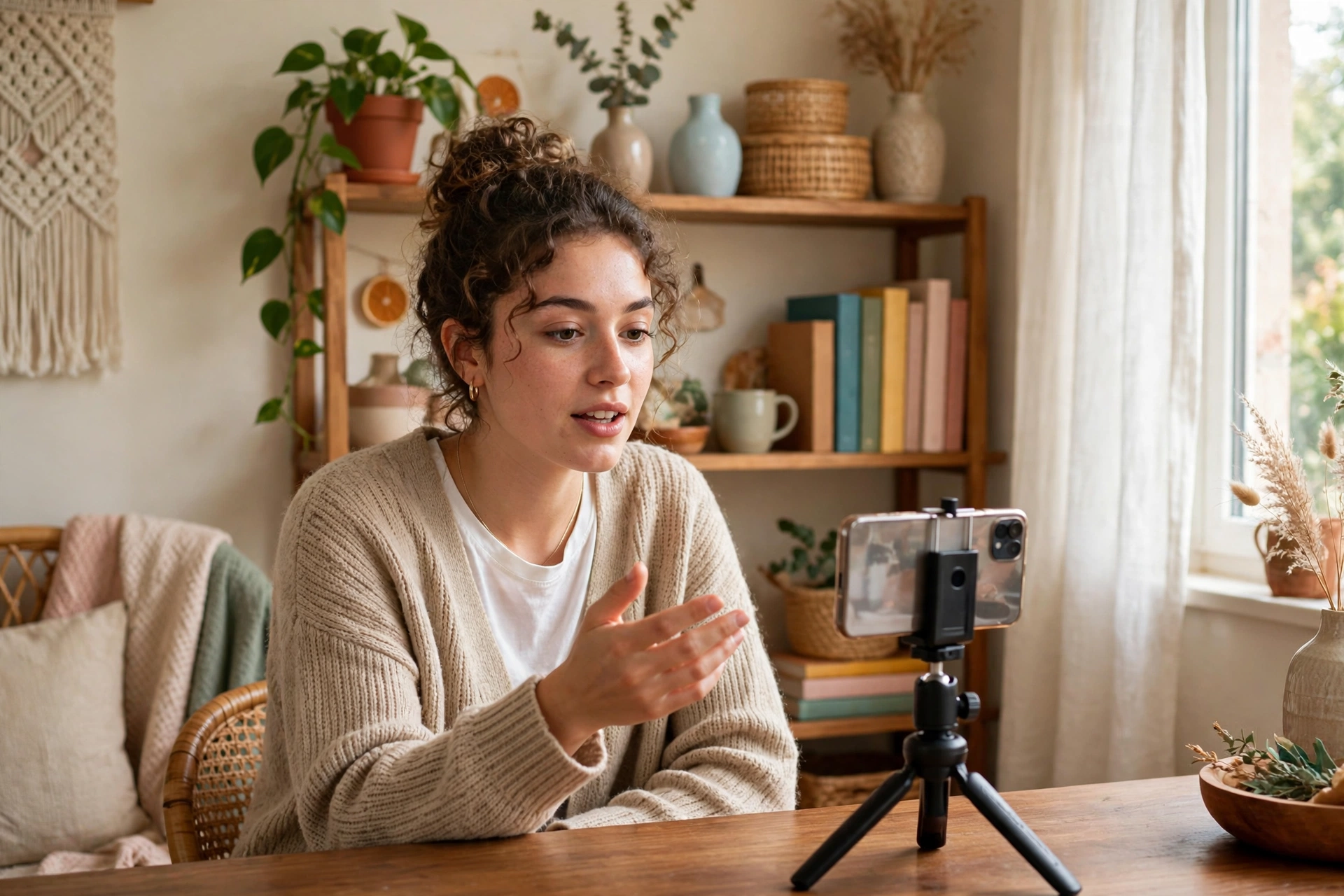
Highly produced, studio-looking Reels are still around, but raw clips are competing with them head to head. A phone shot in a real room, with a real voice and a small mess in the background, often feels more believable than a perfect setup. Viewers have seen too many perfect videos. Imperfect feels human.
The other big shift is the hook. Not the caption. Not the hashtags. The first thing your eyes and ears meet. If that first moment does not give a reason to stay, most people swipe. I learned that the hard way, because my “beautiful” Reel opened with a slow logo fade. Nobody waits for a logo fade anymore.
Trend 1: The “Upside Down” flip format
This is the most flexible format I have seen this month. The idea is simple. You lip-sync or gesture to a track, then a quick flip transition carries a before-and-after reveal.
I have seen it used for beauty, for fitness, for comedy, and even for a guy showing his messy desk turning into a clean workspace. The structure stays the same. Only the reveal changes.
Here is how I would actually shoot it, step by step:
- Pick one clear before-and-after. Not three. One. Messy hair to styled hair. Old room to tidy room. Blank page to finished sketch.
- Film the “before” in normal light, holding your phone steady for two seconds.
- Film the “after” in the same spot, same angle, so the flip feels clean.
- Cut on the beat, not after it. If you wait, the energy dies.
- Add one short line of on-screen text that tells people what changed. No paragraph.
My first mistake with this format was trying to show too much. I crammed a full routine into one flip and nobody understood what the reveal was. When I cut it down to one change, the comments changed too. People started asking how I did that one thing, which is exactly the reaction you want.
You can edit this in CapCut or right inside Instagram. I usually use CapCut because I can line up the cut with the beat more easily, but the Instagram editor is fine if you are in a hurry.
Trend 2: “Daily GRWM Loading”
GRWM means get ready with me. You have probably seen a hundred of them. The October twist is the “loading” wrapper.
The creator starts at 0 percent, usually in pajamas, maybe with eye patches on, looking half asleep. With every cut, an on-screen percentage climbs. 20 percent, 50 percent, 80 percent, and then the full look lands at 100 percent, usually on a sped-up track.
Why does it work? Because it turns a normal routine into a tiny game. Your brain wants to see 100 percent. You stay to finish the loading bar.
I tried this with a work setup instead of makeup, because that is my kind of content. I started at 0 percent with a cold coffee and a messy desk, and each cut added one thing: laptop open, notebook out, headphones on, ready. It was not my best video ever, but it held people longer than my usual talking-head clip, because viewers were waiting for the final frame.
A few practical tips if you try it:
- Keep the whole thing short. If your loading bar takes 45 seconds to fill, people leave at 40 percent.
- Make the percentage text big and easy to read on a small phone screen.
- Change something visible in every cut. If two cuts look the same, the game breaks.
- End on the finished look and hold it for one full second. Do not cut away instantly.
And please, do not fake a routine you never do. People can tell, and they will call it out in the comments. Use your real morning, even if it is boring. Boring and real beats fake and fancy.
Trend 3: Raw clips are beating polished edits
This one surprised me the most. I used to think I needed better lights, a better camera, and a cleaner background before I could post regularly. Then I watched raw, slightly shaky clips outperform my edited ones, again and again.
Raw does not mean careless. It means real. A real room. A real voice. A small mistake left in, like laughing at your own line, can actually help, because it breaks the feeling that a video was made by a machine.
Here is a simple test I now use before posting. I watch my clip once with the sound off. If I still understand what is happening in the first three seconds, the visual hook is working. Then I watch it once with sound on but my eyes half closed. If the first line makes me curious, the audio hook is working. If either test fails, I re-shoot the opening. I do not try to fix a weak opening with captions or hashtags later. It rarely works.
This also connects to something I keep coming back to when I try to increase views on Reels. Retention is not a trick you add at the end. It is decided in the opening. The rest of the video just has to keep the promise the opening made.
Trend 4: The first three seconds are the whole game
Every creator says this, and most of us still ignore it. I ignored it too, until I started checking my own behaviour. I swipe fast. You swipe fast. We all do.
So what actually works in those first three seconds in October 2026?
- A bold claim you can prove in the video. Not a vague promise, a specific one.
- A visual change right away. A flip, a reveal, a before-and-after, a surprising object in frame.
- A question the viewer already has in their head. “Why does this always happen to me?” works better than “Welcome to my channel.”
- A pattern break. If everyone in your niche opens with a talking head, open with your hands, your desk, or the result first.
What does not work, in my experience:
- A logo animation.
- “Hey guys, welcome back to my page” with no reason to stay.
- A long story before you show what the video is about.
- Text so small that nobody can read it on a phone.
I made all four of those mistakes in my first month. The logo one still embarrasses me a little. I thought it looked professional. It just looked slow.
Trend 5: Comments are part of the content now
This is easy to miss if you only focus on filming. In October, I am seeing more creators treat the comment section as a second video.
They ask one specific question at the end, not “comment below” in general. They reply to early comments with short video replies. They pin a comment that adds a joke or a correction. That keeps the post alive after the first day, because every new comment brings the Reel back in front of a few more people.
I tried this on a recent Reel by ending with a real choice: “Messy desk or clean desk, which one helps you focus?” It was a small question, but it was easy to answer in two words. People answered. A few argued, politely. That argument, if you can call it that, kept the post moving longer than my previous video, which ended with a generic “follow for more.”
So when you plan a Reel, plan the last line too. What is the one easy thing you want people to say back?
Trend 6: Series beat one-off videos
A single viral Reel is nice. A series is better, especially for a new page.
Series work because they give people a reason to come back. Part 1, part 2, part 3. Same format, new example each time. Viewers who liked the first one know exactly what to expect from the next, and they are more likely to follow so they do not miss it.
I am not saying you should stretch one idea into ten weak parts. I am saying if you find a format that works, like the loading format or a weekly before-and-after, repeat it with different topics for a few weeks and watch which episode people save and share.
Saves and shares matter more than I first thought. A like is quick. A save means “I want this again.” A share means “someone else needs this.” When I started making videos people would want to save, like a short checklist or a step they could copy, my reach became steadier, even when no single video exploded.
How to use these trends without copying
This is the part I care about most, because copying a trend exactly is the fastest way to look like everyone else.
Here is the method I use now:
- Pick a format, not a video. The flip, the loading bar, the raw clip, the series. Those are structures.
- Put your own topic inside it. Your room, your work, your cooking, your city, your problem.
- Change at least two things. The opening line, the reveal, the setting, or the ending question. If your video could be mistaken for the original, change more.
- Film it in your own voice. Literally. Your accent, your words, your jokes. That is the part no one can copy from you.
- Test it as one Reel, check what actually happened, then decide. Did people stay past three seconds? Did they comment? Did they save it? One test tells you more than ten hours of planning.
This is also why I think tools matter less than people think. CapCut templates for Reels can speed up editing, and I use them, but a template does not give you an idea. Your idea, your experience, and your opening do that. The template just saves you time once you already know what you want to say.
A quick warning about trending audio
Trending sounds help discovery, but they come with a catch, especially if you run a business account or post sponsored content.
Audio that shows up as “original audio” on Instagram is not automatically royalty-free, and it is not automatically safe for paid work. I learned to check this before using a sound for anything commercial. For normal personal posts, trending audio is usually fine. For sponsored posts or business pages, stick to Meta’s royalty-free sounds library or a sound you have a clear right to use.
It is a boring detail, I know. But a muted or removed Reel after it starts doing well is worse than boring.
My simple October workflow
If you want a routine you can actually stick to, here is mine, in plain language:
- Monday: I scroll for 20 minutes, not two hours, and save three formats I like. I write down the structure, not the video.
- Tuesday: I pick one format and one topic from my own life. I film it in under an hour.
- Wednesday: I edit it, check the first three seconds twice, and add one clear ending question.
- Thursday: I post it, reply to the first comments myself, and note what happened in a simple notebook. Stayed? Saved? Shared? Ignored?
- Friday: I repeat the format that worked best, with a new topic, instead of chasing a brand new trend every day.
That notebook part sounds old-fashioned, but it stopped me from repeating my own mistakes. I used to post, forget, and then wonder why nothing changed. Now I can see, in my own handwriting, which openings worked and which ones people skipped.
Common mistakes to avoid this October
Let me save you a few I already made:
- Copying a viral Reel shot for shot. It looks copied, and it usually performs worse than the original.
- Starting with an introduction instead of a reason to stay.
- Using ten hashtags and hoping they will save a weak video. They will not.
- Posting a trend two weeks late and wondering why it feels flat. Trends move fast. If you missed one, find the next structure, do not force the old one.
- Making every video about yourself, with no useful takeaway for the viewer. People follow for what they get, not just for who you are.
- Ignoring the comments for two days and then replying to all of them at once. Early replies matter more.
None of these will ruin a page forever. I did most of them and my page survived. But each one cost me a video that could have done better.
What this means for a new creator
If your page is new, October 2026 is actually a decent time to start. You do not need expensive gear. You need a clear opening, a real topic, and a format people already understand, used in your own way.
Do not try to make a video go viral by chasing every trend at once. Pick one format this week. Film it three different ways. Post the best one. Learn from the numbers, not from your feelings about the edit. Then pick the next format.
That is how I finally stopped feeling stuck. Not by finding a secret trick, but by testing small, honest videos, one at a time, and paying attention to which ones people actually finished.
Trends will change again in November. The formats above will fade, new sounds will rise, and someone will invent a new flip or a new loading bar. That is normal. What will not change is the basic rule underneath all of it: stop the scroll in three seconds, keep the promise you made in the opening, and leave people with something useful, funny, or relatable enough to save or share.
Start with one Reel today. Film it in your real room, with your real voice, and see what happens.
Key takeaways
- October 2026 is favouring raw, believable clips and strong first-three-second hooks over highly polished edits.
- The Upside Down flip and Daily GRWM Loading formats work because they promise one clear payoff and deliver it fast.
- Plan your ending question and your comment replies, not just your filming.
- Series and save-worthy checklists build steadier growth than one-off viral attempts.
- Use a format as a structure, but put your own topic, voice, and ending inside it.
- Check audio rights before using a trending sound for business or sponsored posts.
4 thoughts on “October 2026 Instagram Reels Trends: The Formats Actually Going Viral Right Now”